


There have been numerous powerful performances at the annual Polaris Music Prize gala over the years, most notably Nunavut-raised, NSCAD-trained Inuk singer and artist Tanya Tagaq after her win in 2014, but it’s been some time since that stage has seen anything as spine-tingling as this year’s performance by Halifax’s Aquakultre.
Short-listed for his passion project 1783, the man behind the moniker, singer-songwriter Lance Sampson, stunned the crowd at Toronto’s storied Massey Hall with a searing performance of Gallows, while images of his great-great-grandfather Daniel Perry Sampson appeared behind him on the screen.
Sampson’s ancestor was the last person executed by hanging in Halifax, for a murder he did not commit, and Gallows’ passionate musical plea for justice is the centrepiece of a far-reaching concept album that digs deep into the roots of Black Nova Scotian culture and history.
On Friday, Nov. 20, Pictou’s deCoste Performing Arts Centre presents a rare opportunity to hear Aquakultre share these songs in person, telling the stories of the First World War’s No. 2 Contruction Battalion, the destruction of Africville and the elders who keep this heritage alive.
Sampson brought some of that heritage to the Polaris stage, opening his set with a recitation by Windsor-born poet George Elliott Clarke, and welcoming the pride of Cherry Brook, R&B singer-songwriter Gary Beals, to join him for the single Scotia Born, and also sharing it with the nation via CBC and, eventually, YouTube.
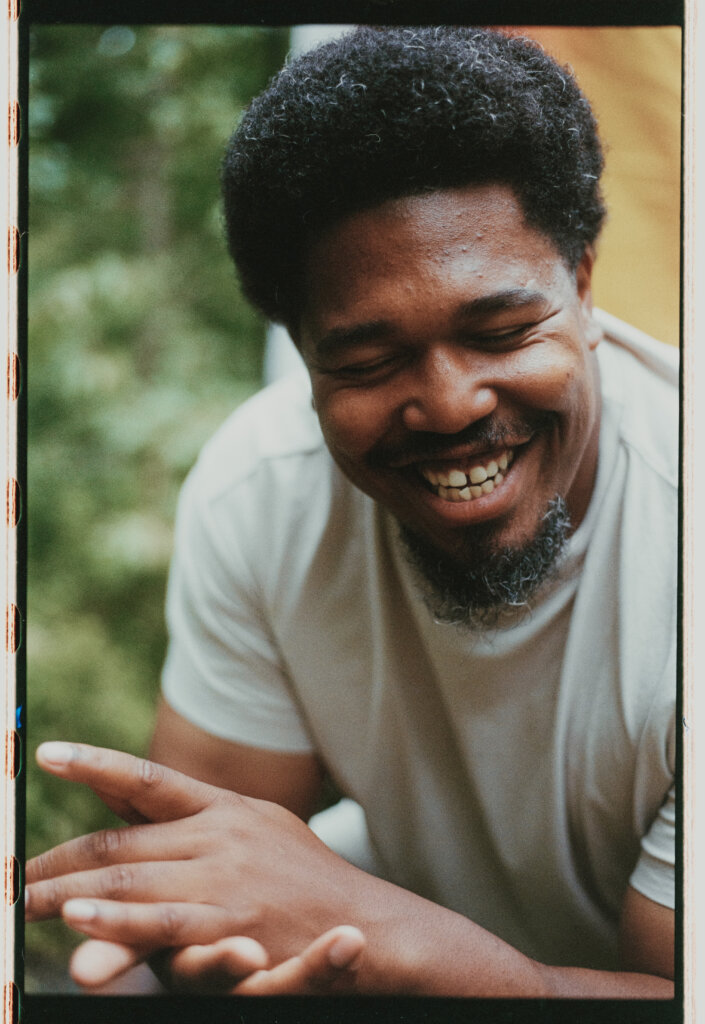
“(Polaris meant) that the history of Nova Scotia is being talked about on a national scale, and being honoured on a national scale, and it’s opening folks up to the history that’s here,” says Sampson about his Toronto showcase and the accompanying media coverage that went with it, while admitting to a fairly laissez-faire attitude toward the idea of awards for art in general.
“Not only Black history, but Indigenous history and also Acadian history. People are becoming more curious about Nova Scotia, so I’ll put my feelings aside about how I feel about this (stuff) anyways, and let’s just go up there and represent.
“Because this is the first time an African Nova Scotian is on stage at this place, so let’s f***in’ go. Let’s have everyone be down with the message, and honour the message, and it meant everything to be up there and to also bring our work for the exoneration of my great-great-grandfather to this stage as well. It was a powerful moment.”
While Sampson and Aquakultre are virtually synonymous, he is quick to credit his collaborators, like musical director Jackson Fairfax-Perry (formerly of Hillsburn), long-time guitarist Ross Burns, bassist Gabriella Ciurcovich, drummer Ibiko Pelle, and singers like Preston sisters Micah Smith and Haliey Smith.
He also says that 1783 would not have the impact it does, and a musical range that stretches from gospel to funk, without his co-producer Erin Costelo. Her musical depth and appreciation of Sampson’s own vocal powers convinced him that he could hold his own on tracks that also featured world-class talents like soprano Measha Brueggergosman-Lee and Nova Scotia gospel/jazz wonder Linda Carvery.
“Erin was an amazing persuader,” he says of the Halifax-based singer-songwriter and keyboardist. “It was a great experience because if it had been anybody else, then I probably wouldn’t have been persuaded into doing the things that she could see for me or within me.
“As a musician and an educator, and as someone who is so gifted at seeing the potential in folks, she was really able to get out of me the untapped energy that I knew was in me. I think I was just holding back all these years, and now 1783 is the record that sounds most like me.”
Aquakultre has been a collaborative effort over three albums — plus two Bleeding Gums Murphy LPs with DJ Uncle Fester — but the core of his songs comes from within the community, from his childhood home in Uniacke Square and beyond.
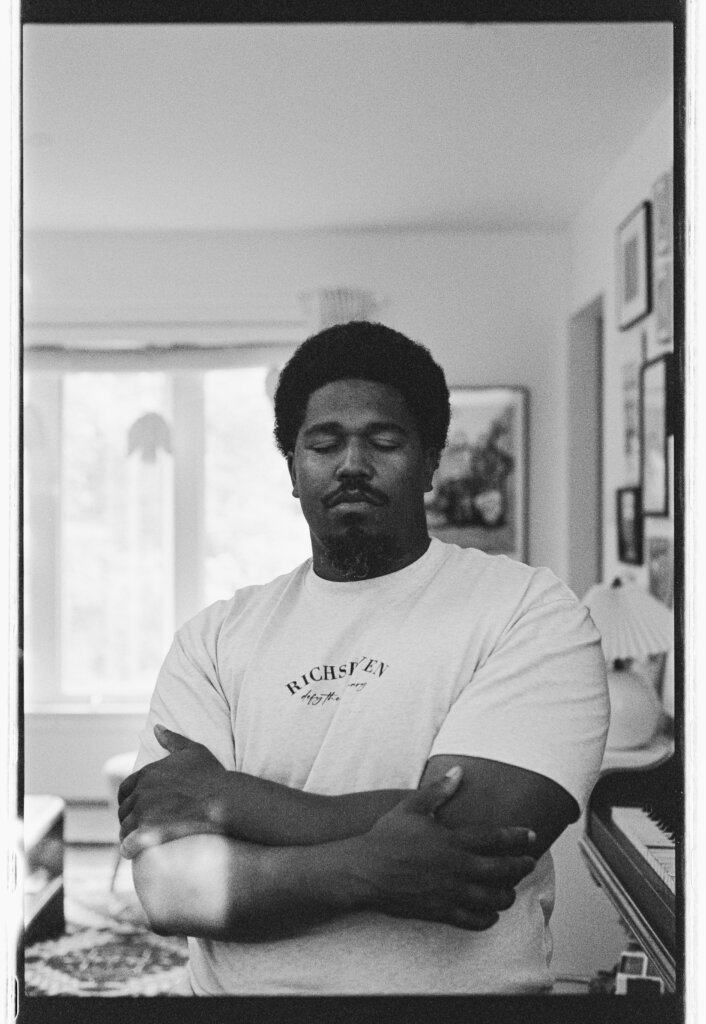
Stories that he learned as an adult, like the No. 2 Battalion or Dartmouth’s historic Crichton Avenue Black community, form the basis for these songs on 1783 that he’s now sharing in schools, and at theatres and venues around the province like the deCoste in Pictou on Nov. 20.
“I get the fact that you’re going to school and growing up in these areas, and you’re not even learning about the local history that has existed since Black folks have been here,” says Sampson, nodding to the album’s title 1783, which commemorates the arrival of more than 3,000 Black Loyalists in Nova Scotia.
“When I was in school, I didn’t learn about nothing that had to do with us and our history in Nova Scotia. It took my own self to look into it and talk to the folks who’ve done that research. Scholars and professors in university, (their work) wasn’t readily available to me in high school or junior high.”
To hear Aquakultre’s 1783 stories unfold at 7:30 p.m. on Friday, Nov. 20, visit the deCoste Performing Arts Centre box office, or the website decostecentre.ca.
While there, you can also check to see if the Tuesday, Nov. 17 Cowboy Christmas show featuring Pictou County’s own George Canyon and his pal Aaron Pritchett has sold out (it’s very close as of this writing), for a night of chart-topping country hits and some seasonal favourites.
It’s one of only two shows for this rare pairing of Canadian talents in this province, following a Nov. 16 show at Halifax’s Casino Nova Scotia, so don’t wait too long to lasso a ticket or two.